


English
Closing achievement gaps through culturally inclusive classrooms

28 Apr 2026

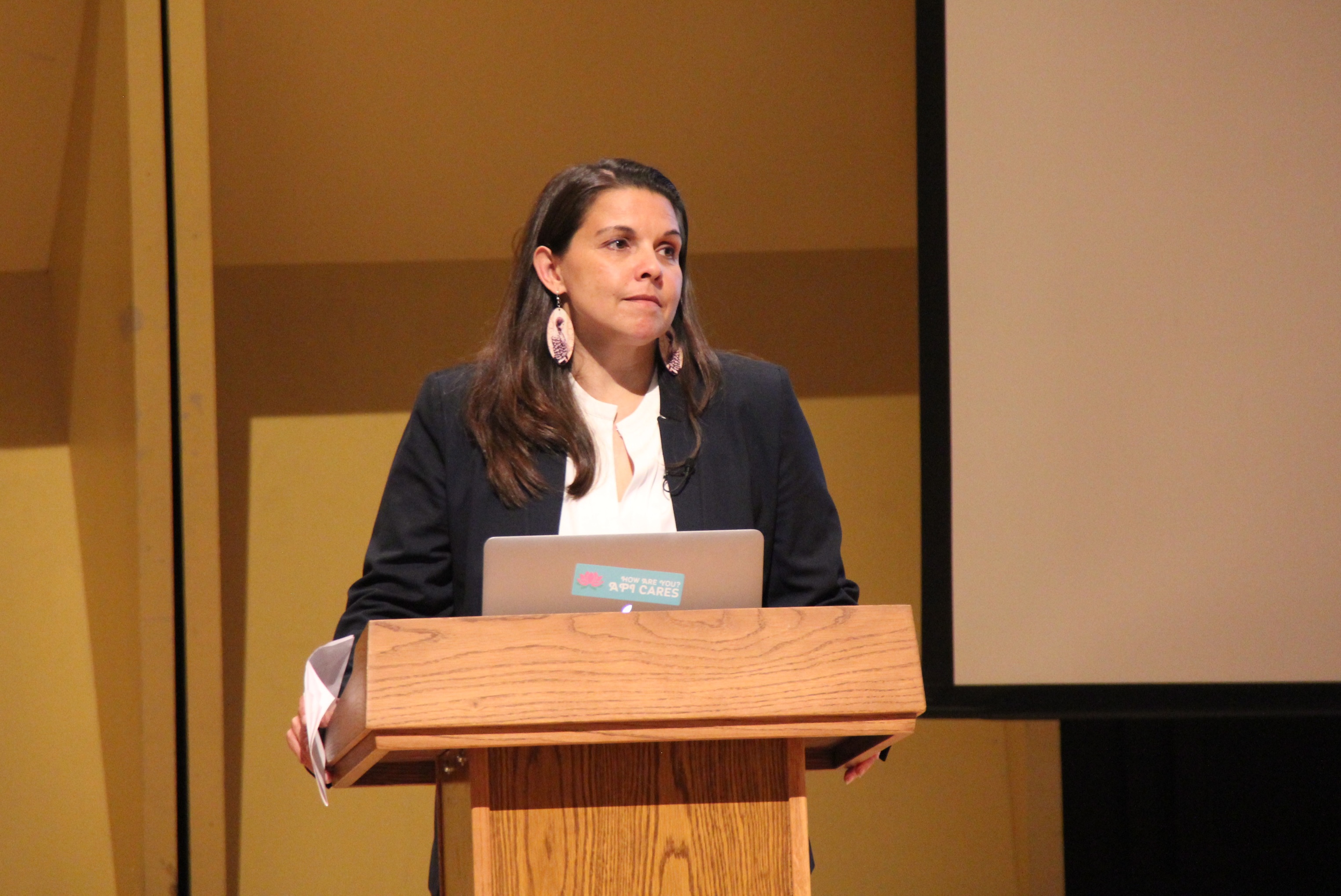

Professor Stephanie Fryberg is a psychologist and the founding director of the Research for Indigenous Social Action and Equity Center at Northwestern University. Led by Stephanie, the Yidan Prize-funded project builds on our inaugural laureate Professor Carol Dweck’s groundbreaking research to examine how culturally inclusive growth mindset cultures in the classroom improve outcomes for students from diverse racial and socioeconomic backgrounds.
Traditional growth mindset interventions work
But they don’t fully address racial and social class disparities. We know that they improve academic performance, especially among at-risk students. But there’s still work to be done to close achievement gaps that separate children from different racial, ethnic, and social backgrounds.
As classrooms become more diverse, it’s critical that we also recognize cultural differences in learning, motivation, and performance. And in doing so, shift focus from changing individual students’ mindsets to fostering sustainable changes in teachers’ practices and classroom cultures. We call that culturally inclusive growth mindset (CIGM).
It’s about being seen and understood
I grew up on the Tulalip Indian Reservation in Washington State (US). I was the first person from my family to get a college degree and from my tribe to get a PhD. I have spent most of my career moving between the university and my tribal community, putting research into action.
Before CIGM, I was doing cultural research, trying to understand the challenges Native children were facing in the education system. But something felt missing. We were talking about historic trauma and systemic oppression that tribal communities had faced for generations, but we didn’t have a language for hope, for growth.
CIGM is about making sure that students from all backgrounds know that they matter — that their growth is possible. Professor Carol Dweck’s work on growth mindset offered another way to frame and address the issues that Native students and families face. I reached out to her and asked her if we could bring her research to the kids on my reservation. She was incredibly supportive, and together we started thinking through how to adapt the work in a way that would make sense for Native students.
Classrooms where students belong
CIGM classrooms are rooted in two key beliefs. Firstly, that students from all backgrounds belong and can make valuable contributions. And secondly, that all students can grow through effective effort, persistence, and support from teachers and peers.
To bring these beliefs into the classroom, our team has worked with hundreds of educators and thousands of students to develop a research-based teacher training curriculum rooted in social psychological principles of growth mindset and cultural inclusion.
By educating, supporting, and empowering teachers to use evidence-based practices, we aim to create inclusive, collaborative environments where students feel valued, take intellectual risks, embrace challenges, and learn from mistakes without fear of judgment.
Widening access and strengthening our approach
With support from the Yidan Prize funds, we’ve taken this work online, which greatly expands our reach and impact. It means teachers can engage with the materials independently, while administrators can integrate them into professional development programs. The flexibility of online learning also strengthens our existing collaborations with school districts. Before, we ran in-person workshops, but now we’re exploring hybrid training models that combine both in-person and online learning so we can keep scaling up and creating more access.
From a research perspective, that also opens several new avenues of inquiry. Training online means we can systematically test and compare different versions of the CIGM curriculum (for example, in-person vs. online training). We can evaluate their impact on teachers’ beliefs, instructional practices, and student outcomes. And as more educators engage with the curriculum, we can study how the program’s effectiveness varies across different school contexts. All of that gives us a wealth of data we can use to keep refining and tailoring our training — and make it even more effective.
Education should help every child unlock their potential
It should empower them to grow, to dream, and to make a meaningful difference in their communities and the world. Schools are not factories producing a uniform product for society. To realize a future where education is truly inclusive, equitable, and student-centered, we need to move beyond a standardized model of success.
That means valuing not only academic achievement, but also creativity, resilience, personal growth, and community contributions. I’ve dedicated my work to fostering learning environments that validate and celebrate diverse cultures and identities. And to help teachers recognize the importance of identity, belonging, and cultural responsiveness in learning, so we can break down barriers that have historically marginalized so many students.
——
Photo caption: Professor Stephanie Fryberg spoke about building on the strengths of Native students at her lecture held in Kane Hall, on the University of Washington campus.
Credit: Michael Rios

Share the blog with others


