







Citation
It is an immense honor and pleasure to introduce you to the laureates for the 2026 Yidan Prize for Education Development.
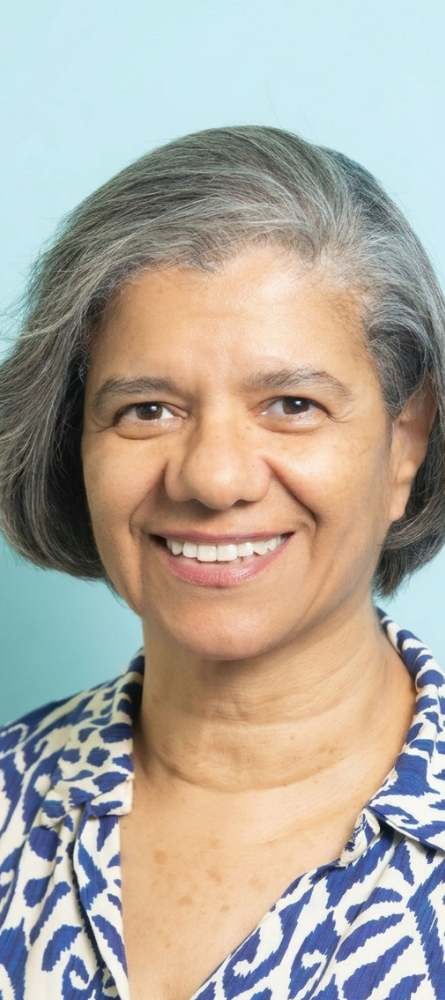
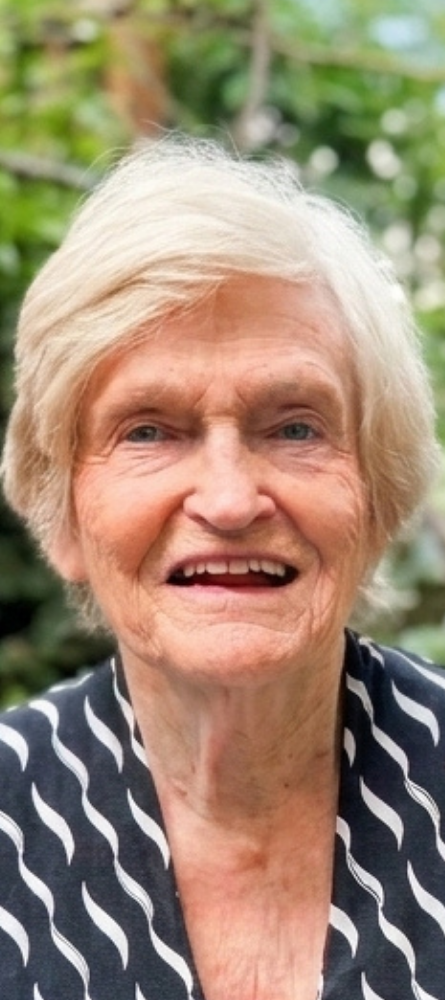
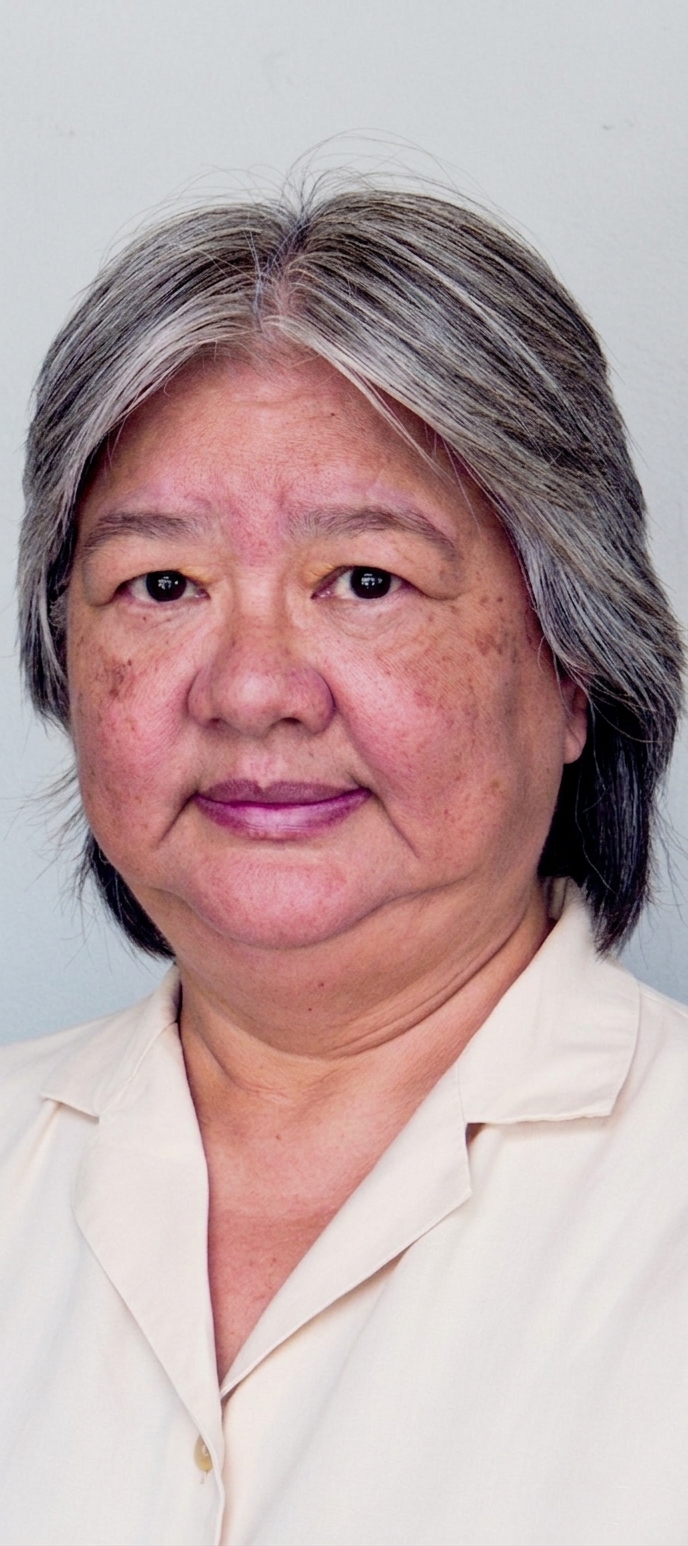
Professor Susan P. Walker, Professor of Nutrition at the University of the West Indies (UWI), Professor Sally Grantham-McGregor, Emeritus Professor of International Child Health and Development at University College London, and Dr Susan M. Chang-Lopez, Senior Lecturer at the Caribbean Institute for Health at UWI, have reshaped global education through the Reach Up program.
Together they have conducted research that demonstrates that early learning and development achieved during the years before entry into the formal school system is critical to lifelong attainment. Building on this knowledge, they have created Reach Up, which shows that it is possible to design and deliver interventions that support vulnerable children below the age of four in such a way that the entire trajectory of their lives is improved through learning.
The key message of the innovative work of these highly respected academic practitioners is that early learning is critical for lifelong learning, and the quality of child and caregiver interactions prior to a child’s formal entry into school is central to the child’s ability to learn.
They have transformed the way we imagine effective interventions for the months between birth and the age of four years, especially for children living in and experiencing multi-dimensional poverty.
The immense global impact of their work is linked to the quality and rigour of their pathbreaking, multi-disciplinary research combined with a toolbox of well-designed interventions. The evidence is clear: there are lasting positive impacts of well-designed support for vulnerable children in early childhood years. Their generosity in sharing their findings and intervention techniques has resulted in a strong international network of partner institutions — in more than 21 countries — that take the tools that have been developed and adapt them to local contexts. This network continues to build and share findings globally. The community of excellence in research and practice that they have created has spread from Latin America and the Caribbean (LAC) to Asia, Africa, and the Middle East and North Africa (MENA).
From the start of their collaboration, the team has focused on the most vulnerable children living in very difficult circumstances.
Many children start their life journey severely disadvantaged. Disadvantage can be measured in different ways, many of which are linked to severe material and monetary poverty. UNICEF’s State of the World’s Children Report 2025 estimates that over 400 million children in low- and middle-income countries (LMICs) experience severe multi-dimensional poverty lacking vital needs for survival and development.
Children growing up in poverty have lower levels of development than more affluent children. Major causes are lack of early learning opportunities in the home and limited access to pre-primary education for children. Thus, millions of children are at an extreme disadvantage at school entry that hinders their educational progress and initial inequalities persist. This inequality is the critical issue that Reach Up addresses.
Starting in 1986, the three laureates set out on a journey to understand how these early disadvantages arise, and what can be done to give more children the opportunity to realise their potential.
In their original landmark study, Professor Grantham-McGregor, Professor Walker, and colleagues demonstrated that early stimulation and learning, delivered to disadvantaged young children by caregivers (usually mothers), is essential to children’s optimal development and later educational achievement (Lancet 1991).
The groundbreaking supplementation and stimulation trial through the Jamaica Home Visit Program identified stunted children between the ages of 9 and 24 months in low-income communities in Kingston, Jamaica. Over two years, community health aides made weekly home visits, demonstrating play activities, encouraging conversation and praise, and providing homemade toys. The study showed significant improvements in children's development among those who received stimulation.
This study completely disrupted the early childhood field, which until then was focused on nutrition and health. It made it clear that early childhood is a critical period for learning and development, with far-reaching implications for influencing educational, social, and economic outcomes. At a time when interventions were focused primarily on physical growth and nutrition, the study demonstrated that early stimulation and learning provided by caregivers are essential to children's optimal development and educational achievement.
With a strong commitment to driving lasting impact, Professor Walker, Professor Grantham-McGregor, and Dr Chang-Lopez did not stop there. To understand whether early gains could be sustained, they embarked on one of the most influential longitudinal research efforts in the field of early childhood development.
Over the following three decades, they continued to follow participants from the original Jamaica study through childhood, adolescence, and adulthood. By age 31, nearly three-quarters of the original participants were successfully traced and assessed. The findings demonstrated that those who had received stimulation showed higher IQ and greater cognitive flexibility, stronger non-cognitive skills, fewer depressive symptoms, and lower levels of substance use and risk-taking behavior. Even more strikingly, they earned substantially more as adults than those in the control group, with studies reporting earnings gains ranging from 25% in early adulthood to more than 40% in later years. Few educational interventions can demonstrate measurable impacts that persist across three decades. This is a unique body of evidence on the long-term effects of early stimulation.
Based on these studies and the body of insights generated through rigorous research over the years, the team developed Reach Up, an early childhood parenting program that helps caregivers build the knowledge, skills, and confidence to support young children's learning through responsive interaction and play. The program translates decades of research into a structured curriculum for children from birth to age four, grounded in established theories of developmental and educational psychology. It can be delivered through home visits or group sessions by staff with limited formal education, and uses low-cost activities that are easy to integrate into daily family routines. This has made Reach Up particularly effective in low-resource, marginalized, refugee, and indigenous communities.
From its UWI base, the team has built a global community of researchers and implementers across low- and middle-income countries. The community model, rather than a network of country offices, is designed to keep costs low while supporting local adaptation, training, mentoring, evidence sharing, and leadership by local partners. Reach Up materials are available free of charge, made available through the Creative Commons license supported by trainings for the program leads. This has created a scalable ecosystem for impact that extends far beyond the original team.
By design, Reach Up works within systems that already reach families rather than creating a parallel delivery structure. By partnering with institutions that already serve communities, including governments, universities, non-governmental organizations, multilateral agencies, and foundations, the team created a model designed for adoption, adaptation, and long-term sustainability.
The program provides a comprehensive package that includes a structured curriculum, training resources, supervision guidance, toy-making manuals using locally available and recyclable materials, and tools that enable adaptation to different cultural contexts. From the outset, the goal was not simply to replicate a program, but to enable communities and institutions to adapt evidence-based practice to their own realities while maintaining quality and fidelity.
Reach Up encourages countries and communities to incorporate local child-rearing practices, songs, games, and play materials while preserving the program's evidence-based foundations. As a result, the model has proven both scalable and culturally relevant, allowing it to expand across countries, sectors, and implementation settings.
This is how Reach Up has grown from a Jamaican home-visiting program to the current immensely impactful network that reaches children and families in 21 low- and middle-income countries across Latin America and the Caribbean, Asia, sub-Saharan Africa, and the Middle East and North Africa. Reach Up has been established at scale in multiple contexts. In Peru, the program reaches over 115,000 children, in China 90,000, in Ecuador 191,000; and in Brazil, it is scaling to reach 1.5 million.
Another defining strength of the laureates' work is that they have remained researchers throughout this journey. Reach Up is not a program frozen in time but a learning system that continuously generates and applies evidence.
The holistic and interdisciplinary nature of the Reach Up approach has resulted in it being evaluated across diverse settings and contexts, including health systems, social protection programs, early childhood education centers, remote delivery models, and conflict-affected environments in the different countries they operate in. This research mindset has enabled the program to adapt and has provided the evidence policymakers need to support adoption and expansion. While globally few governments target educational spending to children below the age of four, Reach Up clearly demonstrates the impact of paying attention to children in this age group.
No other early childhood intervention in LMICs, has benefitted from meta-analysis of 18 randomized controlled trials across 8 countries, with results published in leading journals e.g. The Lancet and Pediatrics. Program materials and delivery are adapted to each context and tested with strong evaluations.
Over more than three decades, Professor Walker, Professor Grantham-McGregor, and Dr Chang-Lopez, have combined rigorous scientific inquiry with practical innovation, generating some of the strongest evidence in the world that early stimulation can change the trajectory of a child's life. Their research has guided the design, implementation, and evaluation of a program reaching families in diverse contexts around the world and has influenced global policy.
Reach Up equips children with better chances for an equal start in learning, education, and life. The laureates have demonstrated how lasting change can be achieved through a combination of evidence, partnership, and local leadership.
In a world where many promising innovations struggle to survive beyond pilot projects or funding cycles, they have created a rigorous evidence-based model designed for durability from the very beginning. Their work has built capacity within communities, strengthened public systems, and established a global network committed to continuous learning and improvement. The result is not only a successful intervention but a sustainable platform for long-term impact across generations.
Allow me to again congratulate our laureates Professor Susan P. Walker, Professor Sally Grantham-McGregor, and Dr Susan M. Chang-Lopez, for their vision, academic rigor, courage, and commitment. They have broken down specialist silos, and in adopting an interdisciplinary and holistic approach, they have shown us that it is possible to successfully address a pressing global issue: how do we make sure that the most vulnerable of children are able to fulfil their potential. They show that it is possible to design and deliver community-driven, locally adapted, and culturally relevant solutions that allow children experiencing multidimensional poverty to learn better.
In the ten-year history of the Yidan Prize, this is the first time that the Education Development prize has been awarded to a team of three women who bridge the academia-practitioner divide. They demonstrate the power of a research-oriented approach in designing interventions to shape practice, influence policy, and create lasting change at scale.
Through Reach Up, these three outstanding women have truly demonstrated the values behind the Yidan Prize goal of achieving a ‘better world through education’.
Dorothy K. Gordon
Panel Head, Judging Panel for Education Development, Yidan Prize




